
Slow Tourism
Is 2026 the Year of Quiet Escapes?
After years of “revenge travel” and socialising post-lockdowns, travellers are returning to slower, more intentional journeys. Slow tourism emphasises meaningful experiences over rushed itineraries.
Traveller Insights

%
of travellers want local recommendations.

%
of families seek authentic, local experiences when travelling with children.
%
of parents prioritise learning about culture or family heritage through travel.
(Hilton 2026 Trends Report)
Quietcations
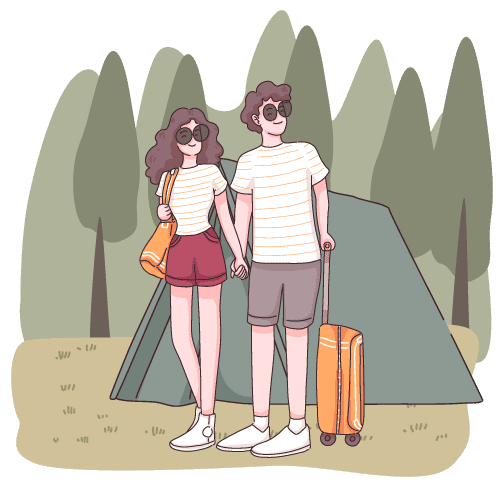
Also known as “hushpitality,” quietcations focus on comfort, calm, and digital detox to offer a break from the everyday bustle.
Decision fatigue
Travellers are increasingly embracing curated experiences where someone else handles the planning. Mystery trips, pre-set itineraries, or self-navigating vehicles relieve guests of constant micro-decisions.
AI agents in travel
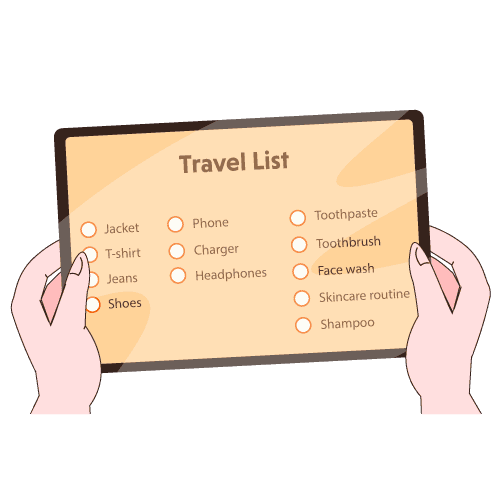
AI-powered tools now manage the entire journey, from booking to post-stay. With Booking.com and Expedia integrating with Gen AI models like ChatGPT, this trend leads to:
- Multi-day itineraries and tours planned by AI
- Real-time adjustments for weather, traffic, and local events
- Matching activities to traveller profiles
(families, solo adventurers, food lovers) - Balanced, well-paced travel experiences
Dispersion of visitor flows
AI helps predict visitor trends, recommend alternative times or locations, and reduce overcrowding. In turn, this will promote deeper engagement with local communities, supporting slow tourism.
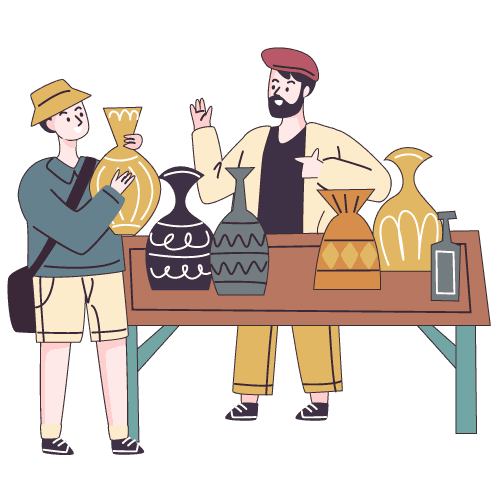
Off-grid over tried-and-tested
Curiosity-led travel is on the rise. Travellers are seeking off-grid destinations and authentic local experiences. Think of homestays in rural India or skipping Venice for lesser-known Italian towns.
In 2026, the love for purposeful experiences are making slow tourism patterns rise. And as travel slows down, experiences grow richer, positioning slow tourism as part of more mindful and meaningful hospitality.
Want to know how IDS Next products will benefit your property?